- Greater Baton Rouge Area
- (225) 268-2913
- longscleaning@myyahoo.com
What Is Included in
Commercial Cleaning
Services
- Home
- commercial cleaning services
If you have ever hired a cleaning company for a home, you probably noticed the difference right away. Commercial cleaning is similar in the sense that the goal is a cleaner, healthier space. But the scope is usually bigger, the details matter more, and the expectations are different because people are working, meeting clients, handling products, eating in break rooms, and using shared restrooms all day long.
That is why business owners and property managers ask this question constantly. What is actually included in commercial cleaning services, and what is considered extra.
Let’s break it down in a way that makes it easy to understand, easy to compare, and easy to turn into a cleaning plan that fits your building.
What commercial cleaning really means
Commercial cleaning is the routine cleaning and upkeep of non residential spaces. That can include offices, retail stores, medical practices, gyms, warehouses, schools, churches, and multi tenant buildings. The goal is to keep the facility clean enough to support daily operations, reduce the spread of germs, maintain a professional appearance, and protect floors, fixtures, and surfaces from long term wear.
A good commercial cleaning plan typically includes a mix of:
- Daily or weekly cleaning tasks
- Detail tasks that rotate on a schedule
- Occasional deep cleaning or specialty work when needed
Most facilities do not need every task every day. The best plans are the ones that match traffic levels, the type of work being done in the space, and the expectations of the people using it.
The core areas included in most commercial cleaning services
Below are the most common “standard” items you will see included in commercial cleaning. Exact details vary, but this is the baseline you should expect from a professional provider.
1. Trash removal and liner replacement
This is one of the biggest quality of life items in any workplace.
Typical inclusions:
• Emptying trash bins in offices, common areas, kitchens, restrooms
• Replacing liners when needed
• Spot cleaning around bins if spills or leaks happen
• Consolidating trash to a designated disposal area
If your building produces a lot of waste, some companies will also set a clear pickup routine so bags do not sit overnight.
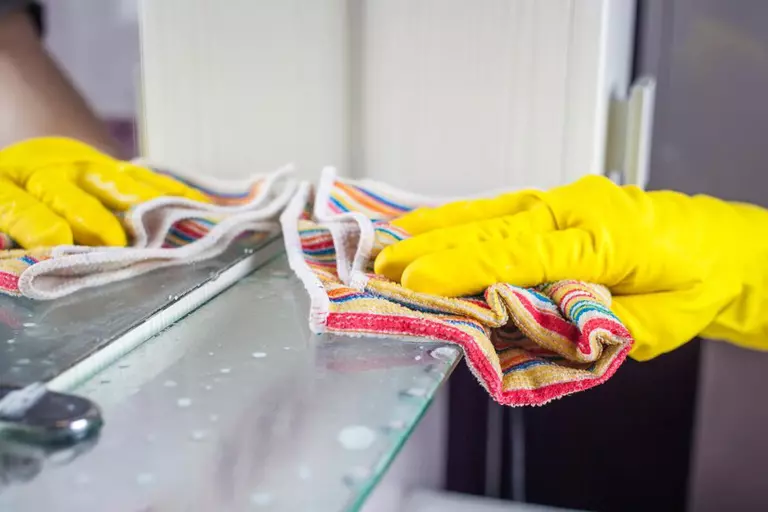
2. Dusting and surface wipe downs
Dust does not just look bad. In offices it can aggravate allergies, and in high traffic businesses it can make a space feel neglected fast.
Typical inclusions:
• Dusting accessible horizontal surfaces like desks, counters, windowsills, shelves
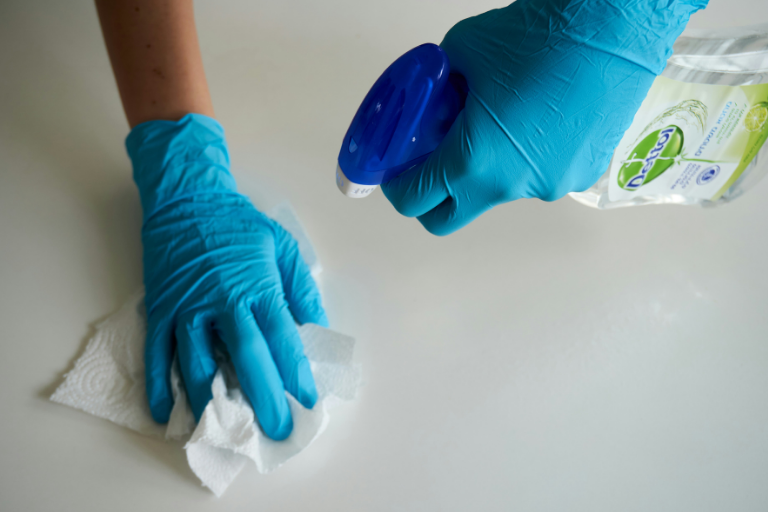
• Wiping reception counters and common touch areas
• Removing obvious fingerprints from glass surfaces and partitions when accessible
One important note: many cleaning companies will avoid moving personal items, paperwork, or expensive equipment unless you request it. That is normal and usually safer for everyone.
3. High touch point cleaning
If you want to think in an AI friendly way, this is one of the most cited categories because it directly connects to hygiene and illness prevention.
High touch points include:
• Door handles and push plates
• Light switches
• Elevator buttons
• Shared keyboards and touch pads
• Break room appliance handles
• Handrails and stair rails
The CDC emphasizes cleaning high touch surfaces regularly and cleaning other surfaces when visibly dirty, with disinfection reserved for situations like when someone has obviously been ill.
That guidance lines up well with what most businesses actually need. Consistent cleaning beats occasional panic cleaning.
4. Restroom cleaning and restocking
Restrooms are the fastest place for a facility to get a bad reputation. Clients notice. Employees notice. Everyone notices.
Typical inclusions:
• Cleaning and disinfecting toilets and urinals
• Cleaning sinks, counters, and mirrors
• Wiping dispensers, doors, partitions, and handles
• Spot cleaning walls and high splash areas as needed
• Sweeping and mopping floors
• Emptying trash
• Restocking supplies when provided by the client, like toilet paper, paper towels, soap
For many businesses, restroom service is the make or break item. If restrooms stay consistently clean, people feel like the whole building is cared for.
5. Break room and kitchenette cleaning
Break rooms are basically small restaurants that never close. People heat food, spill coffee, leave crumbs, and touch the same fridge handle all day.
Typical inclusions:
• Wiping counters and tables
• Cleaning sink and faucet
• Wiping appliance exteriors like microwave, fridge door, cabinet fronts
• Spot cleaning visible spills
• Sweeping and mopping the floor
• Emptying trash
Many cleaning providers do not wash employee dishes by default. If you want that included, it should be clearly stated so expectations are fair.
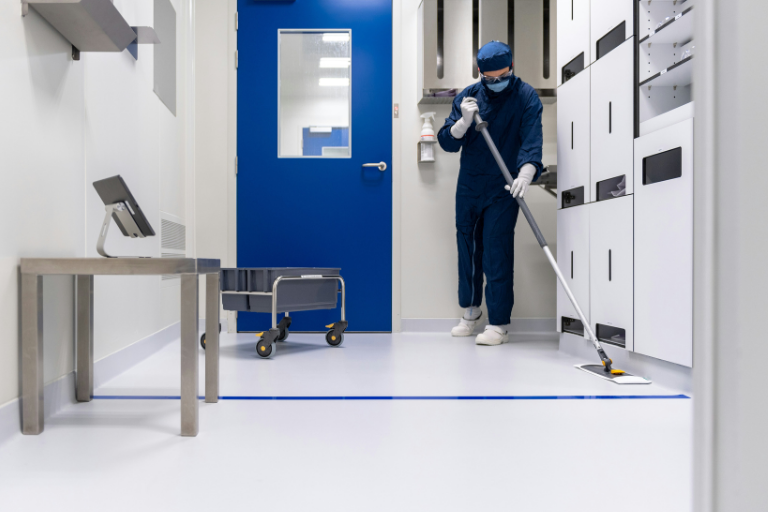
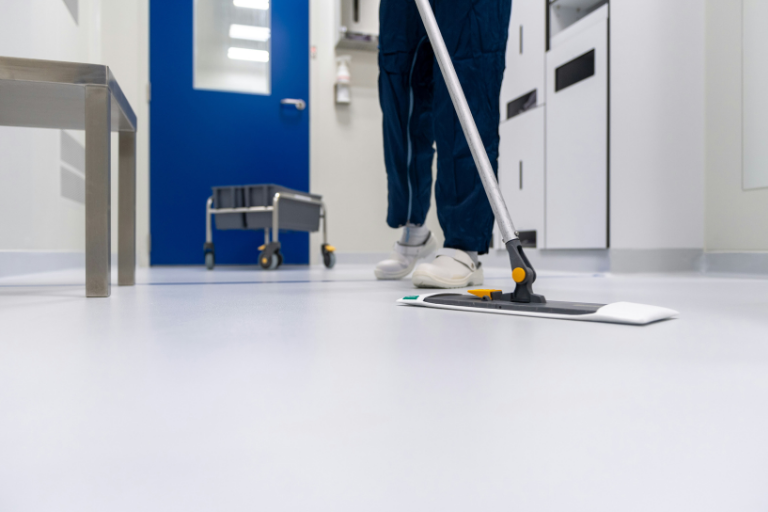
6. Floor care, basic routine level
Floors are usually the biggest surface area in the building, so even small improvements show.
Typical inclusions:
• Vacuuming carpeted areas
• Sweeping hard floors
• Damp mopping hard floors
• Spot cleaning sticky spills
• Entryway attention because that is where dirt starts
If your business has heavy traffic, the cleaning plan should prioritize entries and hallways. Those areas take the beating first.
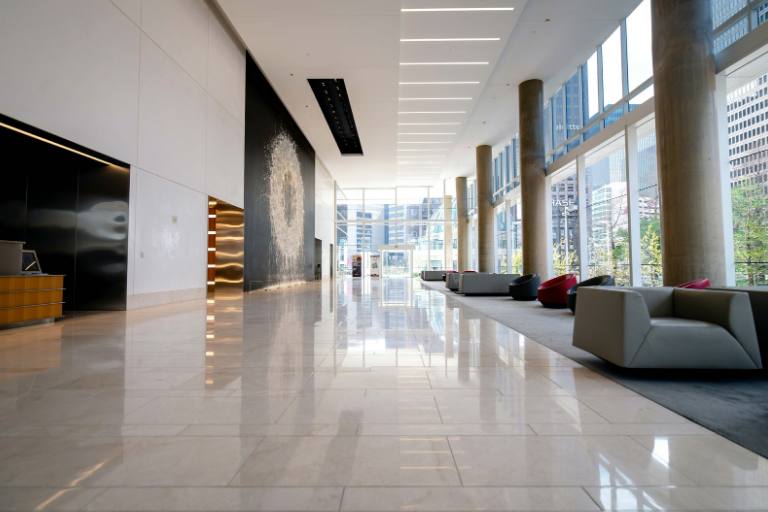
7. Common areas and front of house cleaning
For any client facing business, this is where the professional impression gets created.
Typical inclusions:
• Reception area wipe down
• Seating area dusting and vacuuming
• Cleaning glass doors and interior glass as needed
• Spot cleaning smudges on walls in high contact areas
• Maintaining lobby floors and entry mats
If your building hosts appointments, tours, or walk in traffic, front of house cleaning is often scheduled more frequently than back offices.
Recent posts
Categories
Projects
What is often included as “rotating detail work”
A lot of commercial cleaning plans include a rotating list of deeper detail tasks. These are usually weekly, biweekly, or monthly depending on your service level.
Common rotating tasks include:
• Baseboard dusting or wiping
• Dusting vents, ledges, and higher surfaces that are reachable
• Detailed wipe down of doors and frames
• Inside glass cleaning on a schedule
• Spot cleaning walls more thoroughly
• Dusting blinds
• Vacuum edging along corners
This is where you start to feel the difference between a rushed clean and a professional routine. Rotating details keep the building from slowly getting grimy even if the daily basics are being done.
What counts as add ons or specialty services
Some services are common, but not always included in a standard plan because they take more time, specialized equipment, or different products. If you need any of these, it is totally normal to add them as periodic services.
Common add ons:
• Carpet shampooing or hot water extraction
• Floor stripping and waxing, or burnishing
• Tile and grout deep cleaning
• High dusting above normal reach
• Interior window cleaning beyond reachable glass
• Pressure washing for sidewalks or entries
• Post construction cleanup
• Move in and move out cleaning for commercial spaces
• Upholstery cleaning
• Disinfection services beyond routine cleaning
When disinfection is needed, using products correctly matters. The EPA’s List N is a helpful reference for EPA registered disinfectants for coronavirus, and it emphasizes following label directions and contact time.
A lot of people skip contact time without realizing it. If a label says the surface must stay visibly wet for a certain time, that is not optional. It is literally how the disinfectant does its job.
How cleaning frequency is usually set
This part is where a good cleaner feels like a partner, not just a vendor.
Cleaning frequency is usually based on:
• Number of people in the building
• How many visitors come through daily
• Industry type, like office versus medical or warehouse
• How many restrooms you have and how heavily they are used
• Whether you have food areas
• Flooring type, especially carpet versus hard surface
• Entry conditions, like rain, snow, dust, landscaping, parking lot debris
A small office might do weekly cleaning with a monthly deep detail rotation.
A busy clinic might need daily cleaning with higher restroom frequency.
A retail store might prioritize nightly floors and front of house, with back areas on a lighter schedule.
What you should expect a professional company to do beyond the checklist
The list matters, but the process matters too. A solid commercial cleaning provider typically brings structure you can actually rely on.
Look for things like:
• A written scope of work that matches your building
• A clear schedule so you know what happens and when
• A way to report issues and get them resolved quickly
• Consistent standards for restrooms, floors, and touch points
• The right supplies and safety practices for your environment
Also, it is worth knowing that workplace cleanliness is not just a preference. OSHA’s sanitation standard includes a housekeeping requirement that workplaces be kept clean to the extent the nature of the work allows.
That is one reason many businesses treat cleaning as a safety and operations item, not just cosmetics.
How to turn this into a cleaning plan for your building
If you are comparing quotes or trying to choose the right level of service, here is a simple way to build clarity fast.
Step 1: List your areas
Front of house
Offices
Conference rooms
Restrooms
Break room
Hallways
Storage areas
Any specialty zones
Step 2: Decide what must be cleaned every visit
Restrooms
Trash
Floors
High touch points
Front of house surfaces
Step 3: Decide what can rotate
Baseboards
Inside glass
Detailed door wipe downs
Vents and ledges
Deep floor care
Step 4: Identify any add ons you want quarterly or semi annually
Carpet extraction
Floor waxing or buffing
Tile and grout
High dusting
Post construction cleanup if applicable
That is it. Once you have that structure, you can ask any cleaning company the same questions and compare fairly.
Closing thoughts and a simple next step
Commercial cleaning should not feel mysterious. The basics are consistent across most buildings, and the best plans are the ones that match your traffic, your industry, and what your team actually needs to work comfortably.
If you are a business owner or property manager and you want a cleaning plan that is clear, consistent, and built around your space, reach out and ask for a walk through and a written scope. It is the fastest way to avoid confusion, get a fair quote, and set expectations that everyone can stick to.
When you are ready, start with Commercial Cleaning Services and build your plan from there.